Key takeaways
- Power banks. For phone charging alone, a high-capacity power bank is lighter and cheaper.
- Rechargeable lanterns and flashlights. A better light source than a candle or generator when the lights are out.
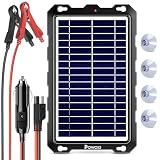
- Solar panel kits for small devices. Useful as a top-up for a battery unit if you have sun, though output is modest.
- Car charging. A car on the open driveway can charge a phone, but never run a vehicle in a closed garage.
A true fuel-burning portable generator is not realistically available under $150, so the honest answer is that buyers at this budget should choose a small battery power station for phones, laptops, lights and similar low-draw devices, or save toward a 1,000-watt-class inverter generator that costs a few times the cap. A small battery unit in the 150 to 400 watt class can sit under the cap; a gas inverter generator such as the WEN 56125i or the GENMAX GM1200i is the cheapest kind of true inverter generator reviewers discuss, and it is a different budget tier altogether.
Our top picks


As an Amazon Associate we earn from qualifying purchases at no extra cost to you.
What the budget actually buys
| Option | Best for | Stated points | Limits |
|---|---|---|---|
| Small battery power station, 100 to 400 W class (several brands sell units in this range) | Charging phones, a laptop, LED lights, a small fan | Listings for units in this class show capacities from roughly 90 Wh to a few hundred Wh and output of 150 to 400 W | Cannot run a refrigerator compressor start-up reliably, space heater, kettle, microwave or power tools; runtime is short |
| Larger battery power station, 300 to 500 W (for example 256 Wh to 448 Wh class units) | Short outages, camping, small appliances | Listings show 300 W units with about 256 Wh and 500 W units with about 448 Wh | Sits above the cap |
| GENMAX GM1200i | Camping, tailgating, small loads | Listings give 1,000 running and 1,200 peak watts and about 25.3 lb; the maker’s own page should be checked for current figures | Gas; above the cap |
| WEN 56125i | Light RV or camp use | Listings give 1,000 running and 1,250 starting watts and about 31.6 lb | Gas; above the cap |
| Honda EU1000i | Quiet premium small generator | Honda lists the EU1000i at 1,000 W maximum and 900 W rated output, about 28.7 lb dry weight | Premium tier, well above the cap |
Why under $150 does not buy a generator
Engines, alternators, inverters and fuel systems cost money to make safely. Budget 1,000-watt gas inverter models sit at a multiple of this budget, and premium ones such as Honda’s far above that. A listing that appears to show a well-known generator model under the cap may turn out to be only a replacement part. If you see a very cheap “generator”, be cautious: it may be a part, a very low-output unit, a small battery pack, or a product of doubtful quality.
That leaves two honest choices: pick a battery power station that fits the cap, or step up to a higher tier. Neither is a mistake, but they do different jobs.
Battery power station versus gas generator
What a small battery unit can do
Capacity is measured in watt-hours (Wh) and output in watts (W). A 256 Wh unit with a 300 W output can charge a phone many times, run a laptop for hours or power a few LED lights overnight. It will not run a window air conditioner, hair dryer, kettle or power saw, because those draw more watts than the unit can deliver. Add up the watts of what you want to run, then compare with the unit’s continuous output rating, and remember that motors need extra power at start-up.
What a 1,000-watt gas inverter can do
A 1,000 W class inverter generator is meant for light loads, such as lights, device charging, a small fan or a modest tool. It is not a whole-house solution. Reviewers describe these units as compact and relatively quiet compared with open-frame generators, but they still need fuel, oil, maintenance and strict safety precautions.
Safety difference
This is where the two diverge sharply. According to the US Consumer Product Safety Commission, portable generators must only be used outdoors, at least 20 feet from the home, with the exhaust pointing away from windows, doors and vents. They should never be run inside a home, garage, basement, crawlspace or shed. Opening doors or windows or running fans does not make indoor use safe, and carbon monoxide can build up quickly and linger for hours. The agency recommends carbon monoxide alarms with battery backup in the home, and suggests choosing a generator with a carbon monoxide shut-off feature. It also warns never to power house wiring by plugging a generator into a wall outlet (back-feeding), because of the risk of electrocution and fire. Gas units must be fuelled and stored following the manual, and fuel should not be kept in the living space.
Battery power stations do not burn fuel, so they do not produce exhaust, which is why they are the more suitable choice for indoor emergency charging. They still contain lithium batteries; follow the maker’s manual on charging, ventilation, temperature limits and what to do if the unit is damaged.
Decision table
| Pick this if… | Choose | Why |
|---|---|---|
| You want to keep phones, a laptop and lights going in an outage on a tight budget | A small battery power station in the 150 to 400 W class | The only type that fits under the cap; no fumes |
| You need something to run a small fridge, a few appliances or tools | Save for a 1,000 W-class inverter generator or a larger power station | Under the cap you cannot buy enough capacity |
| You camp or tailgate and want long runtime | GENMAX GM1200i or WEN 56125i class | Among the cheapest true inverter generators reviewers discuss |
| You want a quiet, long-lived premium unit | Honda EU1000i | Premium tier |
| You need whole-house backup or heavy appliances | Larger standby or portable generator installed by a professional | Well outside this guide; consult a licensed electrician |
How to size your needs
- List essentials. Phone chargers, a router, a laptop, lights, a CPAP or medical device (talk to your doctor and the device maker about backup power; do not rely on an inexpensive unit for medical equipment).
- Add the running watts shown on each label.
- Allow headroom. Choose a unit rated comfortably above your total, and above the start-up surge for motors.
- Check run time. Divide the battery’s watt-hours by your load in watts for a rough hours estimate, and expect less than that in practice.
Alternatives that cost less than a generator
- Power banks. For phone charging alone, a high-capacity power bank is lighter and cheaper.
- Rechargeable lanterns and flashlights. A better light source than a candle or generator when the lights are out.
- Solar panel kits for small devices. Useful as a top-up for a battery unit if you have sun, though output is modest.
- Car charging. A car on the open driveway can charge a phone, but never run a vehicle in a closed garage.
A note on sourcing: the safety guidance comes from the US Consumer Product Safety Commission pages on generators, and the Honda figures from Honda’s page. The WEN and GENMAX figures come from retail listings and review roundups, where figures vary, and no small battery power station is named here because none could be confirmed from a maker’s page. Use them as examples of the category, not firm recommendations, and read the maker’s manual before use.
Short buying checklist
- Be clear about whether you need fuel-burning power or only device charging, because that decides the tier.
- Read the rated output and capacity on the unit itself, not just the headline on the box.
- Plan where a gas unit would be placed outdoors, how fuel would be stored away from living space, and who would maintain it.
- Install battery-operated carbon monoxide alarms in the home whenever any fuel-burning equipment might be used.
- Keep the maker’s manual with the unit and follow it for charging, storage and use.
Frequently Asked Questions
Can I buy a real gas generator for under $150?
Not realistically. Budget 1,000-watt-class inverter generators cost several times this amount, and premium brands far more. Offers that appear much cheaper are often parts, accessories or very small units. Be sceptical of any listing that looks too cheap.
What can a small power station under this budget run?
Typically phone and laptop chargers, small LED lights and a small fan, depending on its wattage and capacity. It will not power a kettle, heater, microwave or most power tools. Add up the watts of your devices and compare with the unit’s output rating.
Is it safe to use a generator in the garage with the door open?
No. The US Consumer Product Safety Commission says to run a generator only outdoors, at least 20 feet from the home, and never inside a home, garage, basement, crawlspace or shed, even with doors or windows open or fans running. Carbon monoxide can build up quickly and cannot be seen or smelled. Always keep it outdoors and well away from openings.
Can I plug a generator into my house wiring?
No. Plugging a generator into a wall outlet (back-feeding) can electrocute utility workers and neighbors and cause fires. Plug individual appliances into outdoor-rated extension cords, or have a licensed electrician install a proper transfer switch if you need to power household circuits.
Is a power station or a generator better for a power outage?
For small loads and indoor use, a battery power station is safer because it produces no exhaust. For longer outages and bigger loads, a fuel generator provides more run time, but only if you can use it outdoors with the correct precautions. Many households keep both a small battery unit and a plan for refuelling. Whichever you choose, follow the maker’s manual.
Should I rely on a cheap unit for medical equipment?
No. If you depend on powered medical equipment, talk to your doctor and the equipment maker about suitable backup power and have a plan with your power utility. A low-cost unit may not deliver steady power for the needed time.