Our Short List of 3

- Best for: Beginners who want one light kit for stills, travel and vlogging.
- 24.2 Megapixel CMOS (APS-C) sensor
- RF-S 18-45mm F4.5-6.3 IS STM lens kit
- 4K video recording
- RF mount
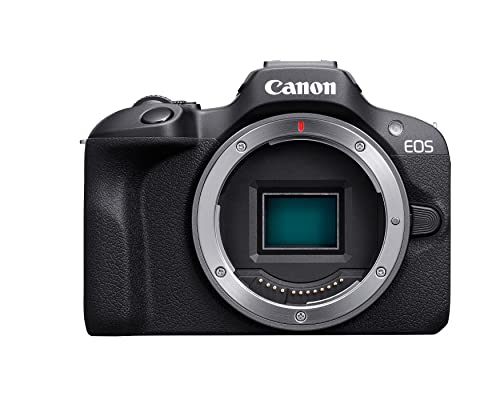
- Best for: First-time buyers who want the most straightforward Canon mirrorless start.
- 24.1 MP APS-C CMOS sensor
- DIGIC 8 image processor
- RF-S 18-45mm f/4.5-6.3 IS STM lens
- Eye Detection AF
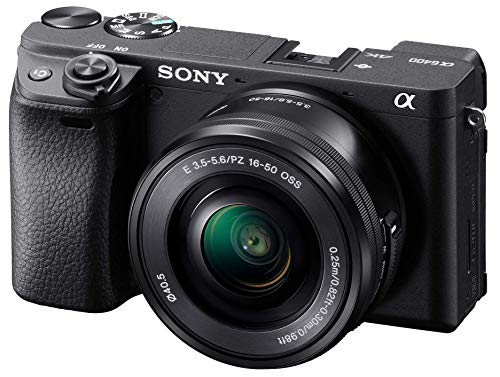
- Best for: Creators who need fast eye autofocus in a pocketable mirrorless body.
- 24.2 MP APS-C sensor
- Real-Time Eye Auto Focus
- 4K video recording
- Flip screen
All 4 Picks at a Glance
| Product | Specs | Action |
|---|---|---|
| Canon EOS R50 with RF-S 18-45mm Lens |
| Check price on Amazon |
| Canon EOS R100 with RF-S 18-45mm Lens |
| Check price on Amazon |
| Sony Alpha a6400 with 16-50mm Lens |
| Check price on Amazon |
 Nikon Z50II with 16-50mm and 50-250mm Lenses |
| Check price on Amazon |
Key takeaways
- Compare five interchangeable-lens DSLR-style mirrorless cameras for stills and video, with sensor, lens, autofocus and video specs from Amazon listings.
Shoppers who type this keyword usually sit between two worlds. They like the grip, the viewfinder and the interchangeable lenses of a traditional DSLR, yet they want the lighter body, the live exposure preview and the fast subject detection of a modern mirrorless camera. The real decision is not mirror against mirrorless in the abstract. It is which body, sensor size and kit lens will carry the photography you actually do, from family weekends to travel, portraits and short video clips, without forcing you to buy a second camera a year later.
This guide is for beginners moving up from a phone, for hobbyists who want a first interchangeable-lens camera, for creators who film as often as they shoot stills, and for travellers who need a capable kit that still fits in a small bag. Every camera below was chosen from the name and specifications shown on its Amazon product page, so the sensor, lens and video details you read here match the exact kit listed for that ASIN.
Quick Picks
As an Amazon Associate we earn from qualifying purchases
| Product | Best for | Key spec from title |
|---|---|---|
| Canon EOS R50 with RF-S 18-45mm Lens | Beginners who want an easy first mirrorless kit for photos and vlogging | 24.2 Megapixel CMOS (APS-C) Sensor, 4K Video |
| Canon EOS R100 with RF-S 18-45mm Lens | First-time buyers who want the simplest route into the Canon RF system | 24.1 MP, DIGIC 8 Image Processor, Eye Detection AF |
| Sony Alpha a6400 with 16-50mm Lens | Creators who need dependable eye autofocus and compact everyday carry | Real-Time Eye Auto Focus, 4K Video, Flip Screen |
| Nikon Z50II with 16-50mm and 50-250mm Lenses | Travellers who want wide and telephoto reach in one purchase | 20.9MP DX-Format CMOS Sensor, UHD 4K60p Video Recording |
| Fujifilm X-T30 II XF18-55mm Kit | Photographers who enjoy dials, colour and a classic compact body | 26.1MP APS-C X-Trans CMOS 4 Sensor, XF18-55mm Kit |
How to Choose
Sensor size and resolution
Sensor size shapes image quality in low light, depth of field and how much you can crop. All five cameras here use APS-C sensors, which sit between phone sensors and full-frame sensors and keep bodies and lenses reasonably small. Resolution ranges from 20.9 megapixels on the Nikon to 26.1 megapixels on the Fujifilm, and that gap matters less than most buyers expect. A 24-megapixel file already prints large and crops well, so treat resolution as a tiebreaker rather than the main reason to choose. Look instead at how the sensor pairs with the processor and autofocus, because a clean file at dusk comes from the whole imaging chain, not from megapixels alone.
Kit lens range and aperture
The included lens decides what you can shoot on day one, before you spend anything extra. A standard 18-45mm or 16-50mm zoom covers wide landscapes, group shots and portraits, while the Nikon two-lens kit adds a 50-250mm telephoto for distant subjects and tighter framing. Check the maximum aperture too, since a lens that opens to f/3.5 at the wide end gathers more light than one that starts at f/4.5. If you plan to shoot indoors or in the evening, a brighter kit lens or a fast prime bought later will matter more than a small difference in body resolution.
Autofocus and subject detection
Modern mirrorless cameras find eyes and faces and hold focus while a subject moves, which changes how many sharp shots a beginner keeps. Canon lists Eye Detection AF on the R100 and Dual Pixel AF on the R50 family, Sony lists Real-Time Eye Auto Focus on the a6400, and Nikon pairs its EXPEED 7 processor with subject detection on the Z50II. For portraits, children and pets, this feature is worth more than a burst-rate number. If you shoot sport or wildlife, also check continuous shooting and how the camera behaves when a subject crosses the frame, because a camera that locks on quickly saves shots that a slower system misses.
Video, screen and connectivity
Many buyers now film as much as they photograph, so video should be part of the decision from the start. All five cameras here record 4K video, and the Nikon listing adds Full HD recording at 120 frames per second for slow motion. A flip or tilt screen helps when you film yourself or shoot from low angles, while Wi-Fi and Bluetooth let you move images to a phone without a cable. Think about microphones and battery life as well. A camera that is easy to hold steady, easy to charge and easy to share from will get used far more than a technically stronger body that stays at home.
The 5 Best Options
Canon EOS R50 with RF-S 18-45mm Lens
- Best for: Beginners who want one light kit for stills, travel and vlogging.
- 24.2 Megapixel CMOS (APS-C) sensor
- RF-S 18-45mm F4.5-6.3 IS STM lens kit
- 4K video recording
- RF mount
Beginners who want one light kit for stills, travel and vlogging.
The kit lens aperture narrows as you zoom in, so check low-light performance before relying on it indoors.
The Canon EOS R50 suits a first-time buyer who wants a friendly camera that still leaves room to grow. Its compact body pairs with a retractable kit zoom, so it slips into a day bag and feels closer to a large compact camera than to a bulky DSLR. The listing describes it as a hybrid camera for photo and video, vlogging and content creation, which matches how most new owners actually use it. Controls stay approachable, the RF mount opens the door to a wide range of Canon lenses, and the 4K video option means short films and family clips look sharp on a large screen.
Canon EOS R100 with RF-S 18-45mm Lens
- Best for: First-time buyers who want the most straightforward Canon mirrorless start.
- 24.1 MP APS-C CMOS sensor
- DIGIC 8 image processor
- RF-S 18-45mm f/4.5-6.3 IS STM lens
- Eye Detection AF
First-time buyers who want the most straightforward Canon mirrorless start.
Check the screen type and viewfinder against your shooting style, since this is a deliberately simplified body.
The Canon EOS R100 is the simplest entry point in this group, aimed squarely at someone buying a first interchangeable-lens camera. Its listing highlights a 24.1-megapixel sensor, a DIGIC 8 image processor and Eye Detection AF, a combination that helps new photographers get sharp portraits without learning every menu first. The included RF-S 18-45mm lens covers everyday framing, and the body stays small and light enough for all-day carrying. Full HD and 4K video are both listed, so it can handle family clips and short social videos alongside stills.
Sony Alpha a6400 with 16-50mm Lens
- Best for: Creators who need fast eye autofocus in a pocketable mirrorless body.
- 24.2 MP APS-C sensor
- Real-Time Eye Auto Focus
- 4K video recording
- Flip screen
Creators who need fast eye autofocus in a pocketable mirrorless body.
The small kit zoom is convenient rather than bright, so plan a faster lens if you shoot often in dim rooms.
The Sony Alpha a6400 has earned its place as a compact workhorse for creators who value autofocus above almost everything else. Its listing leads with Real-Time Eye Auto Focus, 4K video and a flip screen, three features that directly serve portraits, vlogging and travel filming. The 16-50mm power zoom collapses down small, so the whole kit fits in a jacket pocket or a small bag, and the E mount gives access to a deep catalogue of Sony and third-party lenses. For a buyer who shoots people and moves between stills and video in the same outing, this camera keeps the process fast and unobtrusive.
Nikon Z50II with 16-50mm and 50-250mm Lenses
- Best for: Travellers who want wide and telephoto lenses included from the start.
- 20.9 MP DX-format CMOS sensor
- EXPEED 7 image processor
- NIKKOR Z DX 16-50mm f/3.5-6.3 VR lens
- NIKKOR Z DX 50-250mm f/4.5-6.3 VR lens
Travellers who want wide and telephoto lenses included from the start.
Two lenses add bulk and weight to the bag, so check the packed size against your travel setup.
The Nikon Z50II two-lens kit answers the most common complaint about single-lens bundles, which is running out of reach. Alongside the compact 16-50mm zoom it includes a 50-250mm telephoto, so one purchase covers wide scenery, portraits and distant subjects without an immediate second lens. The listing describes a 20.9-megapixel DX-format CMOS sensor with the EXPEED 7 image processor, plus UHD 4K video at 60 frames per second and Full HD at 120 frames per second. That combination suits travellers and family photographers who want one bag that handles a whole holiday.
Fujifilm X-T30 II XF18-55mm Kit
The Fujifilm X-T30 II appeals to photographers who enjoy the act of shooting as much as the result. Its dial-based controls, compact silver body and built-in flash give it a classic feel, while the listing underneath describes thoroughly modern hardware. A 26.1-megapixel back-illuminated X-Trans CMOS 4 sensor works with the X-Processor 4, the rear touchscreen tilts for low and high angles, and the OLED viewfinder shows a clear preview before you press the shutter. The XF18-55mm kit lens is a useful step up from a basic kit zoom, covering wide views and short portraits with one lens.
Specs
- 26.1 MP APS-C X-Trans CMOS 4 sensor, back-illuminated
- X-Processor 4 imaging engine
- XF18-55mm kit lens
- 3.0-inch tilt-type touchscreen LCD monitor
- 0.39-inch OLED colour viewfinder, approx. 2.36 million dots
- Built-in flash
- Sensitivity extending to ISO 160
Best for: Everyday photographers who want direct dials, strong colour and a compact retro body.
Watch out for: The dial-led layout rewards manual shooting, so confirm the control style suits you if you prefer full auto modes.
ASIN: B09DTGHSF2
Which One Fits Your Situation
Your first interchangeable-lens camera
Pick the Canon EOS R100 if you want the gentlest learning curve and a low-friction start. Its Eye Detection AF and guided simplicity help a new photographer keep more sharp portraits, while the RF mount leaves a clear upgrade path. Buy it when your main subjects are family, travel and everyday life, and you would rather spend time shooting than studying menus.
Photos and video in equal measure
Pick the Canon EOS R50 or the Sony Alpha a6400 when video matters as much as stills. The R50 leans toward vlogging and content creation with its hybrid listing and Canon colour, while the a6400 leans toward fast eye autofocus and a flip screen in a smaller package. Choose the R50 for a friendly all-rounder, and the a6400 when subject tracking and pocketability come first.
One kit for a whole trip
Pick the Nikon Z50II two-lens kit when you want to leave the lens shop behind. The 16-50mm zoom handles streets and interiors, the 50-250mm zoom reaches across a valley or a stadium, and the 4K60p video option covers clips worth keeping. It is the most complete single purchase here for a traveller who dislikes swapping lenses in the field.
A camera you enjoy carrying daily
Pick the Fujifilm X-T30 II when the camera itself should invite you to shoot. Its dials, compact shape and 26.1-megapixel sensor reward a photographer who likes to set aperture and shutter speed by hand, and the XF18-55mm lens is versatile enough for streets, portraits and landscapes. It suits a daily carry that doubles as a creative tool rather than a gadget.
Common Mistakes
- Buying on megapixels alone and ignoring autofocus, lens range and handling, which decide how many keepers you actually get.
- Choosing a single-lens kit and then discovering you need a telephoto for travel, sport or distant subjects.
- Forgetting video needs such as a flip or tilt screen, a microphone input and spare batteries before a trip.
- Picking a body for its brand name without checking whether its lens mount has the lenses you want at a size you will carry.
- Skipping the kit lens details, especially aperture and focal range, and assuming every bundled zoom performs the same way.
Frequently Asked Questions
Is a mirrorless camera better than a DSLR for a beginner?
For most beginners, yes, because the electronic viewfinder shows exposure and white balance before you shoot, and subject detection helps keep eyes sharp. A DSLR still offers an optical viewfinder and long battery life, but mirrorless bodies are lighter and focus faster on moving subjects. The cameras here all use interchangeable lenses, so you keep DSLR-style flexibility while gaining those advantages.
Do I need a full-frame camera to take good photos?
No. Every camera in this guide uses an APS-C sensor, which delivers strong image quality for prints, online sharing and large crops while keeping bodies and lenses smaller. Full-frame sensors gather more light and give shallower depth of field, yet they cost more and need larger lenses. An APS-C kit with a good lens and solid autofocus will serve most hobbyists and travellers for years.
Which kit lens should a first-time buyer choose?
A standard zoom such as an 18-45mm or 16-50mm covers the widest range of everyday subjects, from landscapes to portraits, and is the safest first lens. If you often shoot distant subjects, a two-lens kit with a telephoto such as the Nikon 50-250mm saves a second purchase. Check the aperture range as well, because a brighter lens helps indoors and at dusk.
Can these cameras shoot video as well as stills?
Yes, all five record 4K video, and the Nikon listing also offers Full HD at 120 frames per second for slow motion. A flip or tilt screen, steady handling and a microphone option matter more for video quality than resolution alone. If you plan to film yourself, favour a camera with a screen that faces forward and autofocus that tracks your face while you move.