Our Short List of 3

All 3 Picks at a Glance
| Product | Specs | Action |
|---|---|---|
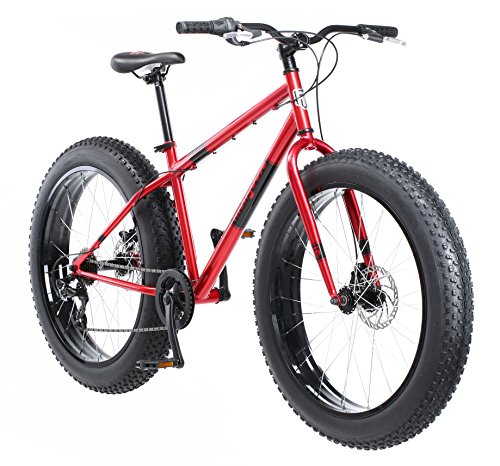 1. Mongoose Dolomite — Fat Tires and the Highest Rating Here | Check price on Amazon | |
| 2. sixthreezero Around The Block Men’s — 300-Pound Cruiser With a Rack | Check price on Amazon | |
 3. Firmstrong Urban Man — Simple, Upright, Rated to 300 Pounds | Check price on Amazon |
Key takeaways
- Bikes for heavier men chosen by published weight capacity, steel frames, spoke count and wide tires: a 350 lb fat-tire bike and 300 lb cruisers, with fit and setup advice.
As an Amazon Associate we earn from qualifying purchases.
Affiliate Disclosure: This article contains affiliate links. If you buy through a link on this page, we may earn a commission at no extra cost to you. Weight limits and specifications below are the manufacturers’ published figures from the product pages, and availability can change, so confirm the current listing before you order.
If you are a big man shopping for a bike, the honest starting point is that most standard bicycles are not rated for you. Many ordinary bikes carry a published maximum weight recommendation well below what a heavier rider plus clothing, a lock and a bag actually adds up to. Riding over a bike’s rated limit does not usually cause a dramatic failure on day one. It causes the slow kind: spokes that keep breaking, rims that will not stay true, a seatpost that slips, and a frame warranty the manufacturer can decline because the bike was used outside its stated limit.
So this guide is built differently from a normal best-bike list. Every pick below is a complete outdoor bicycle whose product page publishes a maximum weight recommendation that suits a heavier man: one fat-tire mountain bike rated at 350 pounds, and two steel-frame cruisers rated at 300 pounds. Those figures are the manufacturers’ own numbers, quoted from the listings, and they are the first thing you should check on any bike you consider — before frame style, before gearing, before colour. The sections after the picks explain the frame, wheel and spoke details that decide whether a high-capacity bike stays reliable in real use.
Quick Picks
- Mongoose Dolomite — the highest published capacity here at 350 pounds, with 26 x 4-inch fat tires and disc brakes.
- sixthreezero Around The Block Men’s — a 300-pound-rated steel cruiser with a 19-inch frame, rear rack and balloon tires.
- Firmstrong Urban Man — a 300-pound-rated single-speed-style cruiser for flat, relaxed riding, sized for riders from five feet four inches to six feet two inches.
Why the Published Weight Limit Is the Whole Game
A maximum weight recommendation is the manufacturer’s statement of the total load the bike is designed for: rider, clothing and anything carried on the bike. When a listing states 300 or 350 pounds, that number came from the brand, and it is the closest thing to an engineering promise you will get at this level of the market. When a listing states nothing, treat that silence as a warning rather than as permission. A bike with no published capacity may be fine, but you have no way to know, and no standing if a wheel fails early.
Two habits follow from this. First, be honest about total load. A rider who weighs close to a bike’s limit and then adds a rack bag, a heavy lock and a backpack can be over the limit without realising it, so leave yourself headroom where you can. Second, respect what the limit implies about components. Brands that publish a higher capacity usually get there with a steel frame, strong wheels and conservative parts choices, and the picks below show that pattern clearly. None of the figures in this article are our estimates; each one is the number printed on that bike’s own product page.
1. Mongoose Dolomite — Fat Tires and the Highest Rating Here
The Mongoose Dolomite is a fat-tire mountain bike, and its product page publishes a maximum weight recommendation of 350 pounds — the highest figure among the bikes in this guide. That rating is paired with the design choices a heavier rider actually needs. The frame is steel, in a 17-inch medium size, and the bike is sized for adult riders from about five feet six inches to six feet tall according to the brand’s guidance.
The wheels are the Dolomite’s defining feature: 26-inch wheels with knobby tires four inches wide. A tire that wide spreads the load over a much larger contact patch than a normal mountain bike tire, which helps the tire support weight without needing very high pressure, and it adds a measure of cushioning on rough ground. The trade-off is rolling weight — the bike itself weighs 52 pounds, so it is not a bike you carry up stairs happily — but for a rider whose priority is a bike that feels planted and unstressed under them, that mass is part of the point.
The rest of the spec is straightforward and serviceable: a 7-speed drivetrain with a twist shifter and a rear derailleur, disc brakes front and rear, and a rigid fork. Disc brakes are a genuine advantage at higher total weights, because stopping power does not depend on the rim surface and stays more consistent in wet weather. Assembly is required, and at this weight class a careful build matters: have the wheels checked for even spoke tension after the first rides, because the rear wheel carries most of the load and is where heavy riders feel problems first.
Choose the Dolomite if you are near or above the 300-pound mark, if you want to ride gravel, grass, sand, snow or broken pavement as well as smooth roads, or if you simply want the largest published safety margin in this list. Riders who will ride only smooth, flat bike paths may find the fat tires more effort than they need, and one of the cruisers below will roll easier on pavement.
2. sixthreezero Around The Block Men’s — 300-Pound Cruiser With a Rack
The Around The Block Men’s is a beach cruiser and light hybrid built around a 19-inch steel frame, and sixthreezero publishes a maximum weight recommendation of 300 pounds for it. The listing describes the men’s version as fitting riders from five feet to six feet tall, with a step-through style frame on the single-speed version covered here, which makes getting on and off easier — a detail that matters more, not less, for a bigger rider.
The riding position is the cruiser formula done properly: an upright posture with a low centre of gravity and a foot-forward design, so your back stays upright while your legs still get proper extension. The wheels are 26-inch aluminum with balloon tires about 2.125 inches wide, which give a cushioned, stable ride on pavement and packed paths. A wide, foam-padded saddle spreads pressure better than the narrow saddles fitted to sportier bikes, and the included rear rack is genuinely useful — carrying a bag on the rack instead of on your back keeps weight off your body and on the bike’s frame, where the rating accounts for it.
The version documented on the product page is a single-speed with a coaster brake, and the model line is also sold in geared versions. Be precise about which one you order: a single-speed coaster-brake cruiser is a lovely thing on flat ground and hard work on hills, and heavier riders feel hills more than anyone. If your routes have real gradients, choose a geared version of the same model and confirm its published capacity on its own listing before buying, rather than assuming every variant carries the same rating.
Choose the Around The Block if your riding is flat to gently rolling pavement, boardwalks and neighbourhood streets, and you value comfort and an easy step-through mount over speed. It is the most relaxed bike in this guide, and for many big men returning to cycling, relaxed is exactly what keeps them riding.
3. Firmstrong Urban Man — Simple, Upright, Rated to 300 Pounds
The Firmstrong Urban Man is a men’s beach cruiser whose product description states a 300 lb capacity and a fit range from five feet four inches to six feet two inches tall — a taller ceiling than the sixthreezero above, which makes it worth a look for big and tall riders rather than just heavy ones. The frame is steel, the wheels are 26-inch with whitewall tires, and the saddle is a foam seat designed for an upright, unhurried riding position with comfortable grips to match.
Firmstrong sells the Urban Man in single-speed and geared versions, and the product information for the listing covered here describes a coaster brake and an ergonomic design intended to keep your back and shoulders comfortable on the move. As with the cruiser above, the advice is the same: the single-speed version is for flat terrain and leisurely rides, exactly as the brand itself describes it, and a heavier rider on a single-speed will run out of gears long before running out of road if the route climbs. Match the version to your terrain, and confirm the capacity figure on the exact variant’s listing at checkout.
What the Urban Man offers over the Around The Block is simplicity and that taller fit range. What it gives up is the rear rack included with the sixthreezero, so if you plan to carry things, budget for adding a rack rated for the load, and remember that cargo counts toward the bike’s total. Both cruisers share the same published 300-pound ceiling, so the choice between them is about fit, terrain and gearing rather than strength.
Choose the Urban Man if you are a taller heavy rider, your riding is flat, and you want the fewest possible things to adjust or maintain. A simple cruiser that fits is a better bike than a complicated one that does not, and this is the simplest complete bike in the guide.
Frames, Wheels and Spokes: What Actually Fails First
Ask a wheelbuilder what breaks on a heavy rider’s bike and the answer is rarely the frame. Steel frames of the kind used on all three picks are forgiving and, if they are ever damaged, usually bend rather than crack. The parts that suffer are the wheels, and specifically the rear wheel, which carries the majority of the load and also handles pedalling forces.
Spoke count and build quality are the details to care about. More spokes, evenly tensioned, share the load better than fewer spokes asked to do the same job, and a wheel that leaves the factory undertensioned will start breaking spokes within months under a heavy rider regardless of its parts. This is why the single most valuable money a big rider can spend is not an upgrade at all: it is a proper first service at a bike shop, with both wheels tensioned and trued, once the bike has a few rides on it and the spokes have settled. Budget for that service when you buy any bike in this guide.
Tires help too. Wider tires, run at pressures appropriate to the total load rather than at the maximum printed on the sidewall by default, support weight with less risk of pinch flats and rim damage. The Dolomite’s four-inch tires are the extreme version of this logic; the cruisers’ balloon tires apply the same idea in a milder form for pavement. Whatever you ride, check pressures often — a soft tire under a heavy rider is the fastest route to a damaged rim.
Finally, mind the contact points. A wider saddle that supports your sit bones will do more for your comfort than any padded cover. Flat pedals with a broad platform suit bigger feet and heavier loads better than small pedals. And keep the seatpost inserted well past its minimum-insertion mark: a long exposed seatpost is a lever, and levers multiply force exactly where a heavy rider can least afford it.
Setting Honest Expectations
A published rating of 300 or 350 pounds makes these bikes appropriate choices for heavier men; it does not make them indestructible, and it does not extend to uses the brands never intended. These are recreational bikes for roads, paths and, in the Dolomite’s case, loose and rough surfaces at moderate speeds. Jumping, aggressive trail riding and downhill riding place loads on a bike that have nothing to do with the static weight figure on the listing, and no cruiser should be used for them.
It is also worth saying plainly what this guide did not do. It did not include standard hybrid and mountain bikes whose listings publish no weight capacity, however popular they are, because a guide for heavier riders that guesses at the central safety figure would be failing at its only job. If you shop beyond this list, apply the same rule: find the manufacturer’s published maximum weight recommendation first, and walk away from any bike whose maker will not state one. Riders well above the highest figure here should look at specialist builders who make bikes rated for substantially higher loads, rather than stretching a recreational bike past its stated limit.
Frequently Asked Questions
What weight limit should a heavy man look for on a bike?
Look for a manufacturer’s published maximum weight recommendation that covers your full riding weight — body, clothes and anything carried — with some headroom to spare. In this guide, the Dolomite publishes 350 pounds and the two cruisers publish 300 pounds each. If a listing states no limit, treat that as a reason to keep looking.
Is a fat-tire bike better for a heavy rider?
It can be. Very wide tires spread the load over a larger contact patch and add cushioning, which is why the highest-rated bike here is a fat-tire model. The cost is weight and rolling effort on smooth pavement, so riders who stay on flat tarmac may be happier on a balloon-tire cruiser.
Why do spokes break on heavier riders’ bikes?
The rear wheel carries most of the load plus pedalling forces, and uneven or low spoke tension concentrates that load on a few spokes. Even tension, sensible tire pressure and a post-purchase wheel check at a shop prevent most of it.
Can a heavy man ride a cruiser on hills?
Yes, with the right gearing. A single-speed cruiser is hard work on real hills at any weight and harder still for a heavy rider. Choose a geared version of the cruiser for hilly routes, and confirm that variant’s own published capacity on its listing.
Does cargo count toward the weight limit?
Yes. The published figure is a total load: rider plus everything the bike carries. A rack bag, a heavy lock and a backpack all count, which is one more reason to leave headroom between your weight and the bike’s limit.
Bottom Line
For a fat man buying a bike, the published weight limit is not a footnote — it is the product. The Mongoose Dolomite offers the most headroom here, with a manufacturer-stated 350-pound maximum, a steel frame, four-inch tires and disc brakes, and it suits riders who want rough surfaces as well as roads. The sixthreezero Around The Block Men’s and the Firmstrong Urban Man both publish a 300-pound rating in steel cruiser form: the sixthreezero adds a step-through frame and a rear rack, while the Firmstrong fits the taller rider and keeps things simple. Whichever you choose, confirm the capacity on the exact variant’s listing before ordering, get the wheels tensioned after the first rides, and keep your total load inside the number the manufacturer printed.