Our Short List of 3

- Best for: Beginners, low-light rooms, offices and anyone who waters rarely. Keep out of reach of pets that chew leaves.
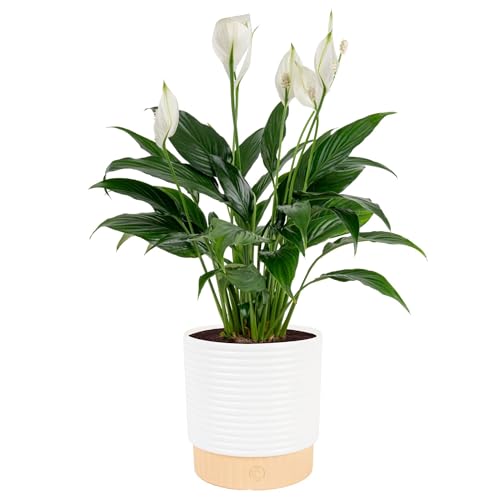
- Best for: Owners who want flowers as well as foliage, can water regularly, and have a medium-light spot they pass every day. Keep away from pets that chew.
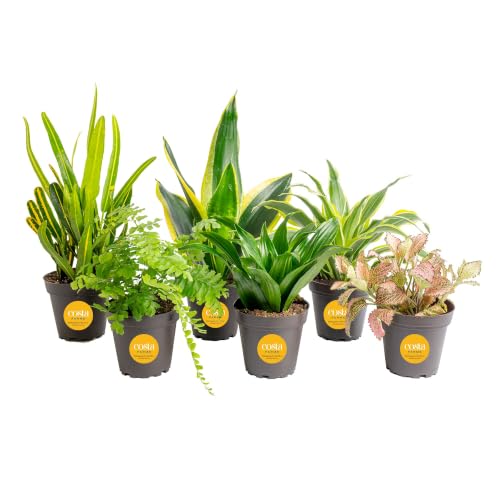
- Best for: New homes and offices, gifts, and growers who want several air-purifying varieties to distribute across rooms and learn from.
All 3 Picks at a Glance
| Product | Specs | Action |
|---|---|---|
| 1. Costa Farms Live Snake Plant, Sansevieria, 2–3 Feet Tall |
| Check price on Amazon |
| 2. Costa Farms Peace Lily Live Plant, 14–24 Inches Tall |
| Check price on Amazon |
| 3. Costa Farms Live Indoor House Plants, Clean Air 6-Pack |
| Check price on Amazon |
Key takeaways
- The best plant for air purifying depends on light and care: compare live snake plant, peace lily and a clean-air plant collection from Costa Farms by light, watering and pet safety.
As an Amazon Associate we earn from qualifying purchases.
Affiliate Disclosure: This article contains affiliate links. If you buy through a link on this page, we may earn a commission at no extra cost to you. Plant details below come from grower and product listing information, not from detailed research by us, and live plants vary by season and growing conditions.
There is no single best plant for air purifying that suits every room, because the right answer depends on your light, your watering habits and whether pets share your home. What there is, is a short list of live houseplants that growers consistently sell specifically as air-purifying plants, that have a long track record indoors, and that ordinary owners can actually keep alive. This guide covers three of them, all live plants from one established grower, Costa Farms: a snake plant for low light and forgetful watering, a peace lily for flowering interest and steady moisture, and a hand-selected clean-air collection for people who want several purifying varieties at once.
A word of honesty before the picks. Houseplants do contribute to a fresher indoor environment and the species below are marketed by their grower for air purification, a claim rooted in well-known research on plants removing certain compounds from sealed test chambers. A normal living room is not a sealed chamber, and no houseplant replaces ventilation or a mechanical purifier for smoke, heavy pollution or allergens. Buy these plants because they are beautiful, living, relatively easy company that also support a fresher-feeling home — not because one pot will do the job of an appliance. That honest framing makes for happier owners and healthier plants.
Quick Picks
- Costa Farms Live Snake Plant, Sansevieria, 2–3 Feet Tall — ASIN: B0853YHDXK — the toughest pick, listed with air purification, drought tolerance and low maintenance among its special features.
- Costa Farms Peace Lily Live Plant, 14–24 Inches Tall — ASIN: B082PM9MHD — a flowering air-purifying plant for medium light and regular watering.
- Costa Farms Live Indoor House Plants, Clean Air 6-Pack — ASIN: B08541R6NR — a hand-selected air-purifying mix that may include snake plant, peace lily, pothos and other easy varieties.
How to Choose an Air-Purifying Plant That Survives Your Home
Light comes first. Snake plants tolerate low light and also grow in brighter indirect light, which is why they end up in hallways, bedrooms and offices where little else thrives. Peace lilies prefer medium to bright indirect light and will tell you, by drooping dramatically and then recovering after watering, when they are thirsty. Trailing and leafy varieties in a mixed clean-air collection generally sit in the low to bright indirect range, so a mixed pack suits a home with several different spots to fill rather than one dark corner.
Watering style comes second. More houseplants die from kindness — watering on a fixed schedule whether the soil is dry or not — than from neglect. If you travel, forget, or simply prefer plants that ask little, the drought-tolerant snake plant is the honest choice. If you enjoy a small daily ritual of checking your plants, a peace lily or a varied collection gives you more to engage with.
Pets come third, and this point is not optional. Snake plants and peace lilies are both considered toxic to cats and dogs if eaten, according to widely published pet-safety references. If your animals chew leaves, place these plants genuinely out of reach, choose a mixed collection only if you can sort and place each variety safely on arrival, or skip this category of plant altogether in chewing range. No air-purifying benefit is worth a veterinary emergency, and a buying guide that omits this point is not doing its job.
Size comes last. Note the height ranges in each listing: a 2–3 foot snake plant is a floor or statement plant on arrival, a 14–24 inch peace lily is a tabletop or plant-stand piece, and a collection pack spreads smaller plants across several rooms. Measure your spot before ordering live plants, because a healthy plant in the wrong scale looks wrong and is harder to place in good light.
1. Costa Farms Live Snake Plant, Sansevieria, 2–3 Feet Tall
- Best for: Beginners, low-light rooms, offices and anyone who waters rarely. Keep out of reach of pets that chew leaves.
Beginners, low-light rooms, offices and anyone who waters rarely. Keep out of reach of pets that chew leaves.
The snake plant, Sansevieria, also known as mother-in-law’s tongue, is the plant most people should start with. This Costa Farms listing describes a live plant 2–3 feet tall in a premium decor pot with potting soil, and lists air purification, drought tolerance and low maintenance as its special features. The grower describes it as a top-rated air-purifying plant with bold, upright leaves and a modern, architectural look suited to home and office decor.
That upright form is a practical advantage, not just a style one. A snake plant occupies a narrow footprint while still presenting a large leaf area, so it fits the corner of a bedroom, the side of a desk or the end of a hallway where a spreading plant would be in the way. It is also one of the few common houseplants that tolerates the low, uneven light of real rooms rather than the bright greenhouse light of product photos.
Care is simple and specific. Water sparingly and let the soil dry well between waterings; soggy soil and a pot sitting in water are the usual causes of failure, through root rot. Give it indirect light where you can, accept slower growth in lower light, and wipe dust from the leaves occasionally — a dusty leaf photosynthesizes less well, which matters if you bought the plant partly for what its leaves do. In return it asks for almost nothing, survives a holiday without a plant sitter, and can go on for years.
Because this listing is for a taller plant in a decor pot, check on arrival that the pot and height suit your intended spot, and give the plant a few days to settle after shipping before judging its appearance. Live plants are shipped in their growing state and may look tired on day one; steady light and a first careful watering usually settle them.
2. Costa Farms Peace Lily Live Plant, 14–24 Inches Tall
- Best for: Owners who want flowers as well as foliage, can water regularly, and have a medium-light spot they pass every day. Keep away from pets that chew.
Owners who want flowers as well as foliage, can water regularly, and have a medium-light spot they pass every day. Keep away from pets that chew.
The peace lily, Spathiphyllum, is the flowering option in this guide. This Costa Farms listing describes a live plant 14–24 inches tall in a decorative pot, with air purification and flowers among its special features, and the grower describes it as a natural air purifier that helps filter the air for a healthier indoor environment. Its white blooms and deep green leaves give it a softer, more traditional look than the snake plant’s vertical blades.
A peace lily is also the most communicative plant here. When it needs water, the leaves droop visibly; after watering, they lift again, usually within hours. That clear signal makes it a surprisingly good plant for observant beginners, because the plant tells you what it needs instead of quietly declining. The flip side is that it does need that regular attention: it prefers consistently moist — not sodden — soil and medium to bright indirect light, and it will sulk in a dark corner or beside a hot radiator.
Place it where you will actually see it daily, such as a living room stand or a bright bathroom, so the droop signal gets noticed in time. Keep the leaves dusted, remove spent blooms at the base, and expect flowering to come in cycles rather than continuously; a healthy plant that is not in bloom this month is not a failed plant. Note the hardiness and indoor positioning in the listing: this is an indoor houseplant, not a garden plant for cold climates.
On pet safety, peace lilies carry the same caution as snake plants: they are considered toxic to cats and dogs if eaten. A peace lily on a stand that a determined cat can reach is not out of reach. Choose the spot with your actual animals in mind.
3. Costa Farms Live Indoor House Plants, Clean Air 6-Pack
- Best for: New homes and offices, gifts, and growers who want several air-purifying varieties to distribute across rooms and learn from.
New homes and offices, gifts, and growers who want several air-purifying varieties to distribute across rooms and learn from.
The third pick takes a different approach: instead of one statement plant, you get a hand-selected collection of six live indoor plants curated as an air-purifying mix. Costa Farms describes these as clean air plants — natural air-purifying plants for any space — and says live indoor plants can help remove toxins from the air as well as producing oxygen. Typical varieties in this collection may include snake plant, fern, peace lily, pothos, dracaena and dieffenbachia, among others, with the exact mix selected from available stock.
A collection suits a specific and common situation: a new home, a renovated room or an office where several spots need plants at once and variety is a virtue. Six smaller plants distributed through a home put living foliage in more rooms than one large plant can, give you different leaf shapes and habits to enjoy, and let you learn which species suits your light and habits before you invest in a large specimen of any one of them.
The trade-off is control. Because the mix is hand-selected from stock, you should order it only if you will be happy with any of the listed typical varieties, and you should be ready on arrival to identify each plant and place it according to its own light and water needs — a fern and a snake plant do not want the same watering rhythm. The pet caution also applies with extra force to a mixed pack: several of the typical varieties, including peace lily, dieffenbachia and pothos, are considered toxic if eaten, so plan placement for the whole set before it arrives, not after.
If you want one known plant in one known spot, choose the first or second pick instead. If you want to green several rooms at once and enjoy the surprise, this collection is the most efficient route in this guide.
Care Rules That Apply to All Three Picks
First, light before location pride: a plant placed for looks in light it cannot use will decline slowly no matter how good the soil is. Move a struggling plant to better indirect light before changing anything else. Second, drainage matters: never leave any of these plants standing in water, and empty saucers after watering. Third, feed lightly and only in the growing season, following the grower guidance for the specific plant; more feed does not mean more air purification. Fourth, expect a settling period after shipping — a dropped leaf or two in the first week is common and is not, by itself, a sign of a bad plant. Fifth, clean leaves gently with a damp cloth; dust is the quiet enemy of every benefit a leaf provides.
What These Plants Cannot Do
They cannot purify a smoky room, neutralize strong chemical fumes from renovation, or substitute for ventilation in a kitchen or workshop. They cannot match a mechanical purifier with a filter for fine particles and allergens. Anyone selling a houseplant on those claims is overselling it. What a healthy snake plant, peace lily or clean-air collection genuinely offers is living greenery with an air-purifying designation from its grower, a calmer and more pleasant room, and — for many owners — a small daily connection to something growing. Bought on those honest terms, they are among the most satisfying purchases in this whole category.
Verdict
For most people, the best plant for air purifying is the Costa Farms snake plant, ASIN B0853YHDXK: the toughest, the most tolerant of low light and missed watering, and a genuine statement plant at 2–3 feet tall. Choose the Costa Farms peace lily, ASIN B082PM9MHD, if you want white flowers and a plant that visibly asks for water. Choose the Costa Farms Clean Air 6-Pack, ASIN B08541R6NR, if you want several purifying varieties across several rooms at once. Whichever you pick, place it for its light needs, keep it out of chewing range of pets, and let it settle in before you judge it.